

Lights
From old school HID to the new school LED, we cover it all.
By Chase BoucherPlants need light to provide the energy required to power photosynthesis. The more photosynthesis, the more vigorously the plant can grow. Light quality and quantity are probably the most important factor in maximizing the potential of your grow. If a plant is not getting enough light, it doesn’t matter how good your soil is or how much fertilizer you give it, it will not perform as well as it could have. Cannabis enjoys moderate to high amounts of light, compared to plants like lettuce. Depending on where you decide to grow (indoors or outdoors), your light will come from very different sources.
Outdoors
If you choose to grow outdoors, the sun will obviously be the light source. Fortunately for us, Saskatchewan has some of the sunniest weather in Canada – perfect for growing light-loving plants like cannabis. This is ideal as the sun is the absolute best quality light for growing plants that we know of. Make sure that the location you choose for your plants has as much sun exposure as possible – south-facing areas without too much shade are ideal.
Indoors
Indoor lighting can be quite a bit more complex, especially within the cannabis world. There are lots of options and even more opinions on best practices, but no matter what type of light you choose there are some basic but universal things that should be considered. There are many types of lights to choose from, each with their benefits and detractions. The most commonly used are listed below.
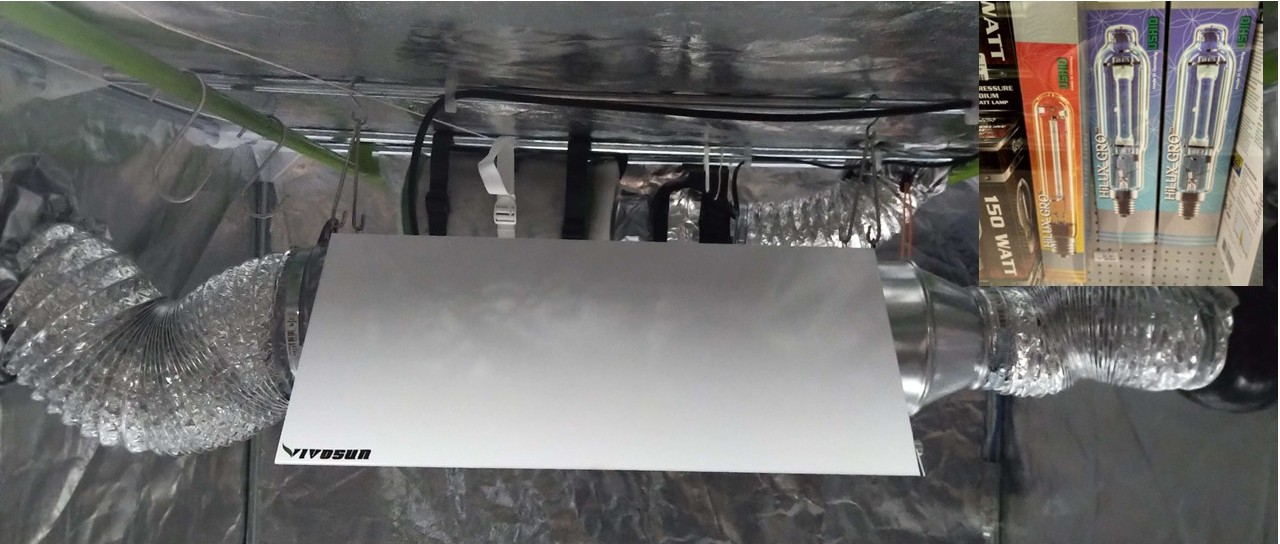
High Intensity Discharge (HID) – Greenhouse industry standard. This type of light is what growers first used when indoor growing became popular. Many greenhouses (USask included) use HID lights. There are three general types – High Pressure Sodium (HPS), Metal Halide (MH) and Ceramic Metal halide (CMH). They provide high amounts of good quality light and are relatively cheap to buy and maintain. They use special ballasts and usually come in 250W, 400W, 600W and 1000W options. These lights also run very hot and require good ventilation to ensure temperatures stay comfortable in the growing area. Bulbs also need replacing every 12-18 months. Metal halides are typically used during the vegetative stage of growth (more blue light) while high pressure sodium is typically used for flowering (more red light).
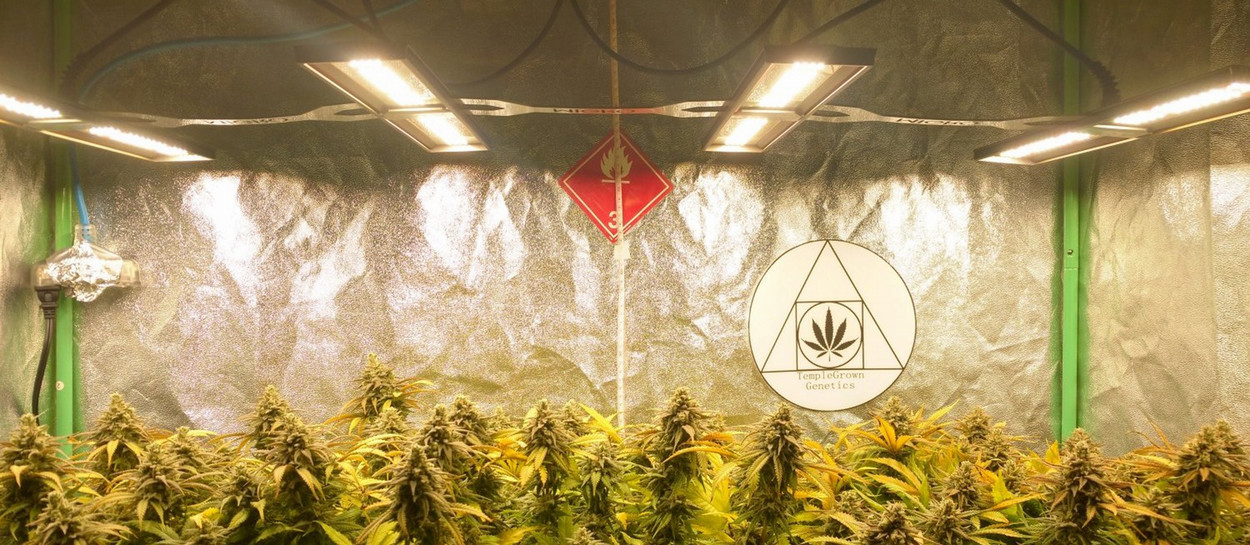
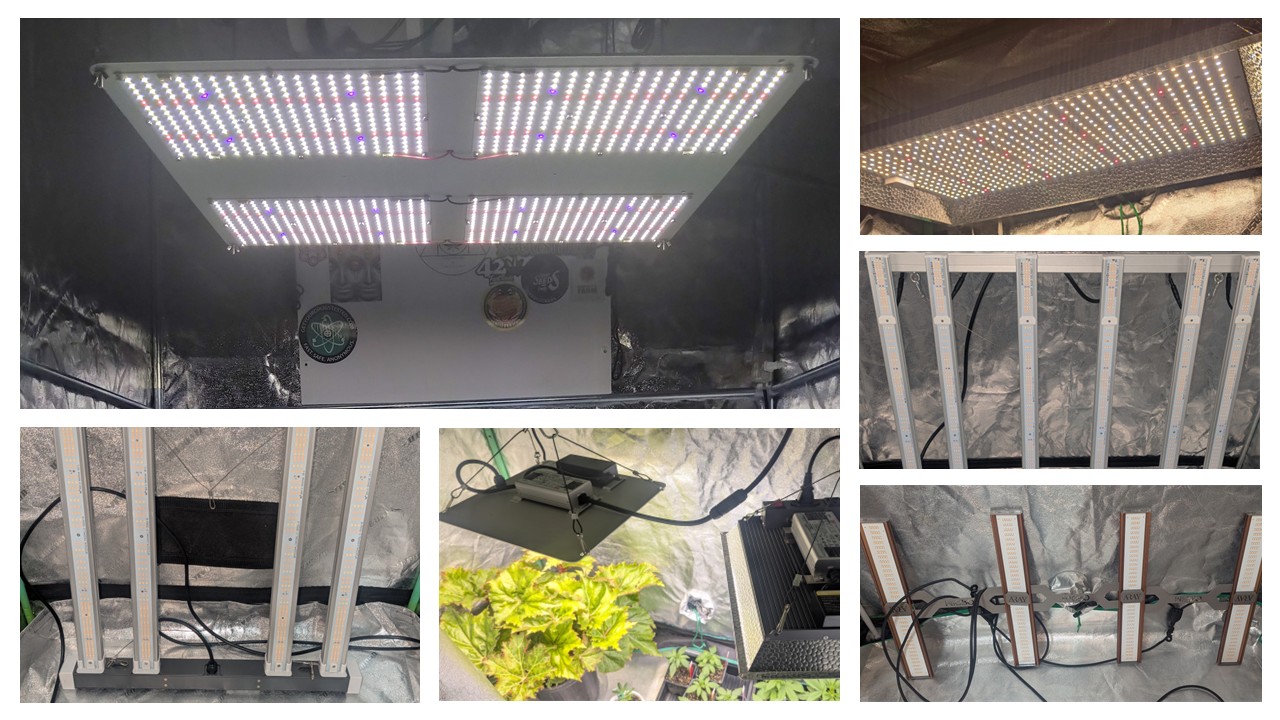
LEDs (Light Emitting Diode) – this type of light is relatively new in the growing world. In the last 5-6 years there has been much improvement in the technology, and many LEDs are showing as good or better performance compared to HIDs. They are still relatively expensive but run more efficiently than HIDs (less heat and more light per watt), which can be beneficial in terms of cost savings. Many companies and home growers now use LEDs, the author included. These lights run cooler than HIDs and so high temperatures are less of a issue. LEDs can also be constructed with diodes of various colours, in various spectrums, and in various shapes, allowing for customization of the light quality and quantity for your plants. Common wattage options available to home gardeners include 100W, 200W, 300W, and 480W. There are more powerful wattages available but are generally used in large and/or commercial gardens. If using a 2’x 4’ (60cm x 120cm) tent, a 200-300W LED light is recommended.
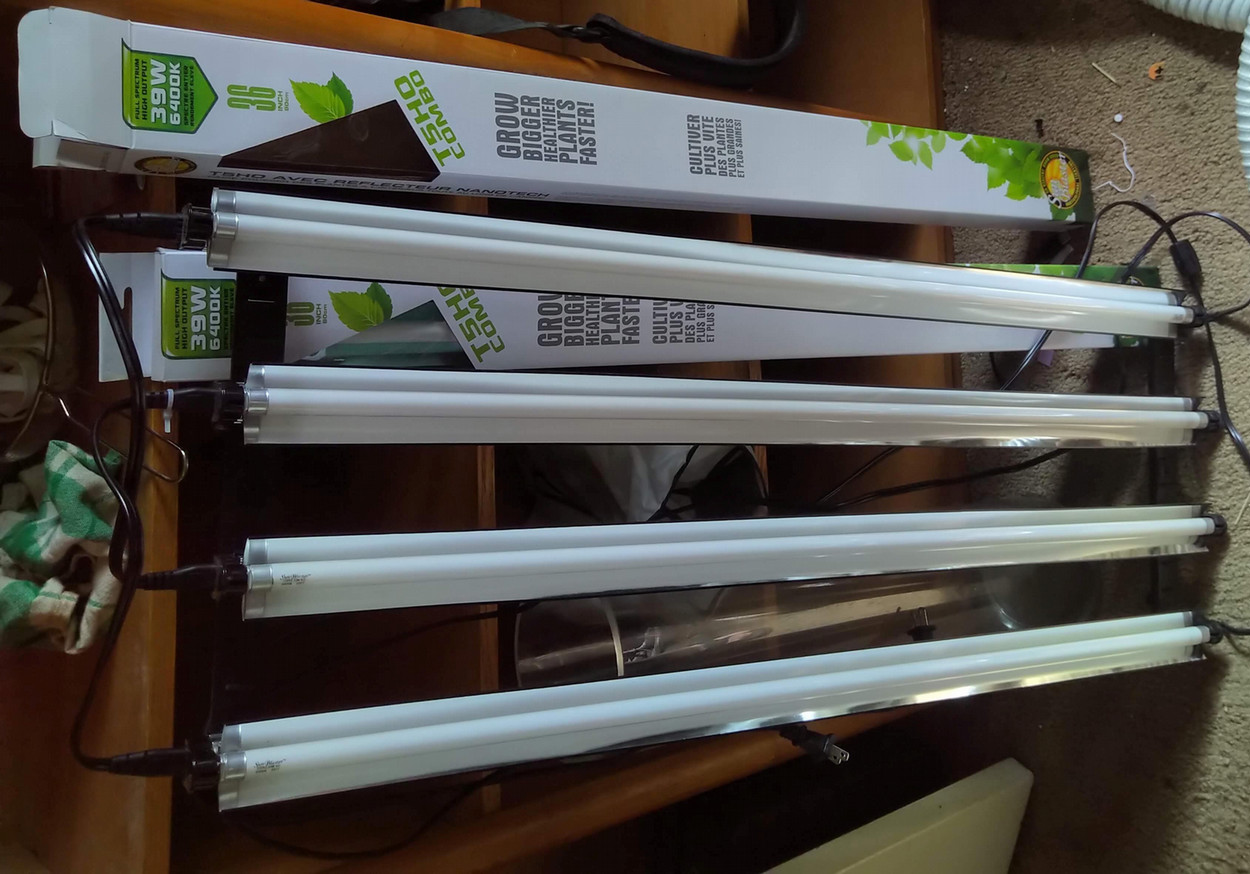
Fluorescent/Incandescent – not recommended. These types of lights are too inefficient and/or do not create enough light to grow cannabis to its maximum potential. They are, however, excellent for growing seedlings and low-light tolerant plants, and for maintaining cuttings and clones.
Size/shape of light
This depends on the size of your tent and plant canopy. Equal light coverage and spread across the growing space is desired. This reduces “hotspots” where light is too intense and ensures that all plants from the center to the edges of the grow space receive the same amount of light. HID-type lights work well in a square shaped growing area as the light is transmitted in mostly equal directions (if using a reflector hood). LEDs come in all shapes and sizes and may be a better fit depending on the shape of your growing area.
Light Distance
To ensure your light is operating at maximum efficiency, distance is another important consideration. Some people reference the inverse square law, which states that if you double the distance from the light, its intensity drops to ¼ of the original strength. This isn’t completely accurate as there are reflective walls and other confounding factors, but the point is mostly valid - light intensity diminishes quickly with increasing distance. Being too close is also a problem as the excess heat and light can damage plants close to the light. A very general rule of thumb is if using HIDs, try to maintain 18”- 24” (45cm – 60cm). If you put your hand at canopy level and it feels too hot, it is probably also too hot for the plants. For LEDs, try for between 12” – 18” (30cm – 45cm). Hanging ropes with adjustable ratchets should be used to be able to raise and lower the light as needed.
Light Cycle Length
How long should your lights stay on? Depending on the type of plant you are growing and what stage it is in, cannabis will need different amounts at different time. Very generally, for plants that are in seedling or vegetative growth stages, we recommend 18 hours of light per day, 6 hours of darkness. When flowering, standard practice is 12 hours of light, 12 hours of darkness. The exception is autoflowering types, which can be grown under any light schedule. The author recommends a constant 18 hours light/6 hours darkness for autoflowers. Some growers like to run 24 hours of light with no dark period for some autoflowering or vegetatively growing plants. This is not recommended as plants require a period of darkness for certain processes to take place and so allowing them to ‘sleep’ is very important!
Gardener's Note: Ensure you do not overload your power bar and electrical circuit! Lights can draw a large amount of electricity and so always take the necessary safety precautions to avoid problems!