

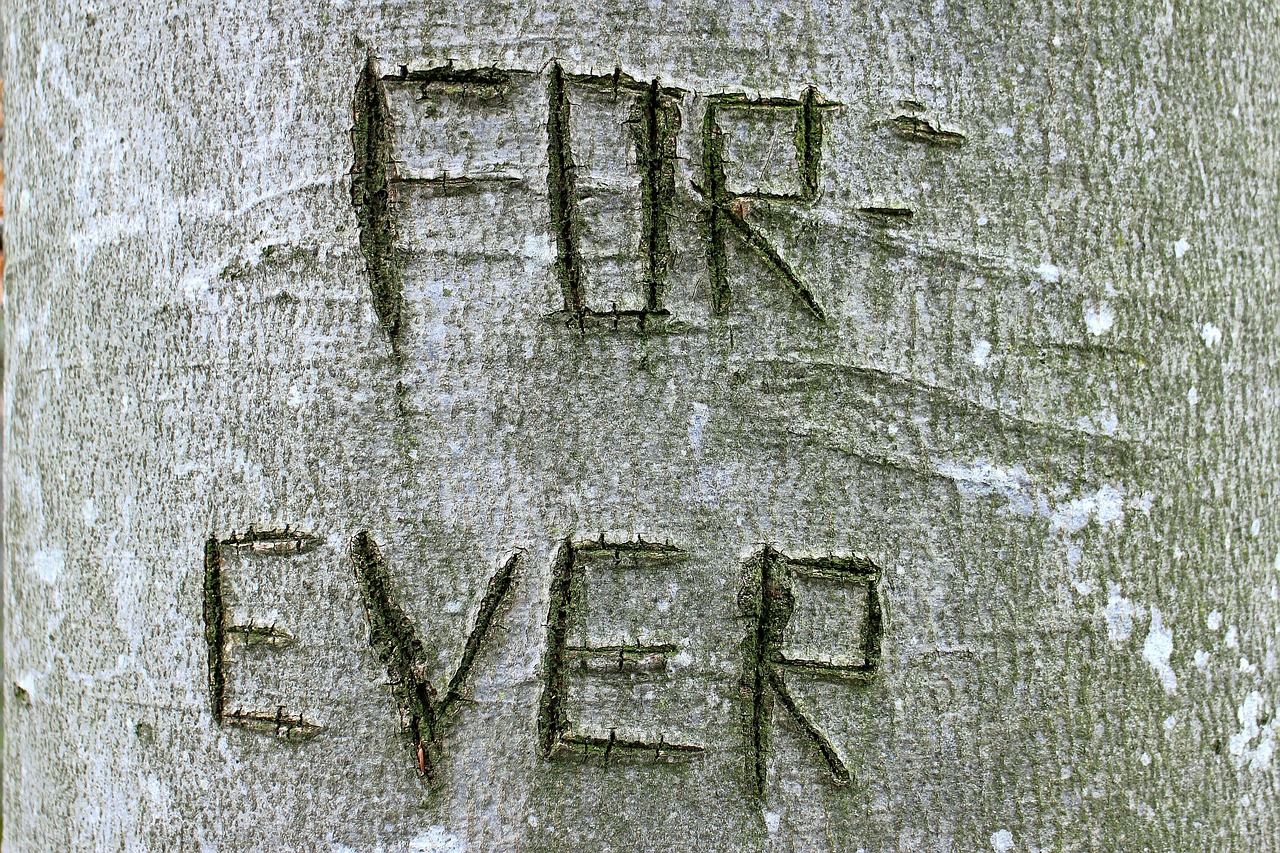
Physical damage to bark
damaging to deadly depending on severity
The bark is the protective skin of trees and shrubs. Bark texture and thickness varies widely from tree to tree, but its function is to protect the inner bark (or cambium) which is the vascular tissue that transports sugars, water and nutrients throughout the tree.
There are many ways that bark can be damaged. Girdled wounds that go all the way around the trunk, cuts, tears or rubbed areas on bark is an opportunity for bacterial or fungal infections. Even worse, when the inner bark is damaged, the tree cannot move water and nutrients from the roots to the branches and leaves. Minor damage does not heal, but the tree may grow a seal of tissue over the wound. Severe damage is not reversible and can kill a tree.
Other plants such as vegetables and flowers, do not have bark covering their stems, but can be harmed when the outer skin of stems are damaged.
Mechanical bark damage can happen in a number of ways.
- Accidental damage from a lawnmower, weed-wacker, trimmer or edger.
- A rope, hammock, dog leash, clothesline, plant tag or tie of any kind wrapped around the trunk or branch and left on for long periods can damage the bark.
- Trees that are staked and tied.
- Extreme weather can cause limbs to break and tear bark from the tree.
- Trees chewed by animals such as mice or rabbits. Damage is worse if it goes all the way around the circumference of the tree.
- Mulch that is resting against the trunks of trees, the branches of shrubs or the stem of vegetables or flowers. Mulch holds moisture which can break down and erode the bark or outer skin of stems and branches. Once there is an entry point for bacteria and disease, the plant can be damaged.
Improper pruning can cause problems too. What not to do:
- Stubs of pruned branches that are flush with or cutting into the trunk.
- Stubs that are more than 1 cm beyond the branch collar.
- Topping the main leader of the tree (unless it is broken or damaged).
What to do:
- Install tree guards to prevent animal chewing damage.
- Remove all materials wrapped around the trunk or branches. Stakes and ties may be necessary for a new tree planted in a windy site, but ties should be removed after one growing season. If the tree is not stable, then the problem lies with the way it was planted.
- Carefully remove loose bark from the tree with a sharp knife; leave bark that is still attached intact.
- Do not apply pruning paint to wounds.
- Use proper pruning techniques.
Sources
Mechanical damage to trees. (n.d.). Retrieved from https://www.extension.purdue.edu/extmedia/fnr/fnr-492-w.pdf
