Dealing with common problems
Learning how to identify common problems will help you diagnose issues and prevent them before they happen.
Most common symptoms
My plants are weak, spindly or leggy
Possible Causes:
Light is too far from plants
Solution: Ensure light is proper distance from plant canopy. For LED, 3.5 inches above; for fluorescent, 4 inches above; for MH, 1-2 feet.
Excess nitrogen
Solution: Avoid fertilizing. Flush soil with water.
Plants are crowded
Solution:
Ensure plants are spaced appropriately. Check spacing for different plants under the individual plant section.
Plants have too much water
Solution: Ensure proper drainage for containers. Ensure plants are not in standing water. Avoid over-watering, allow soil to dry.
My seeds didn't sprout after planting
Possible Causes:
Not enough time has passed
Solution: Check your seeds for ‘Days to Germination’. You might have to wait a bit longer for those particular seeds to sprout.
Soil is too dry
Solution: Make sure your seeds stay moist while you wait for germination. So, water!
Soil is too wet or waterlogged and seeds have rotted
Solution: If this is the case, you may need to replant as seeds will have rotted.
Your seeds are too old, or have gone bad
Solution: You can try a ‘germination test’ to see how viable your seeds are.
Temperatures are too cold
Solution: Seeds will not sprout if temperatures are too cold. Ensure there is no draft near your seeds. If needed, you can wrap your seed tray in a towel or place a heat mat under your tray.
My seedlings are wilting and falling over
Possible Causes:
Dry soil
Solution: Keep soil evenly moist. Try to bottom water seedlings when growing indoors.
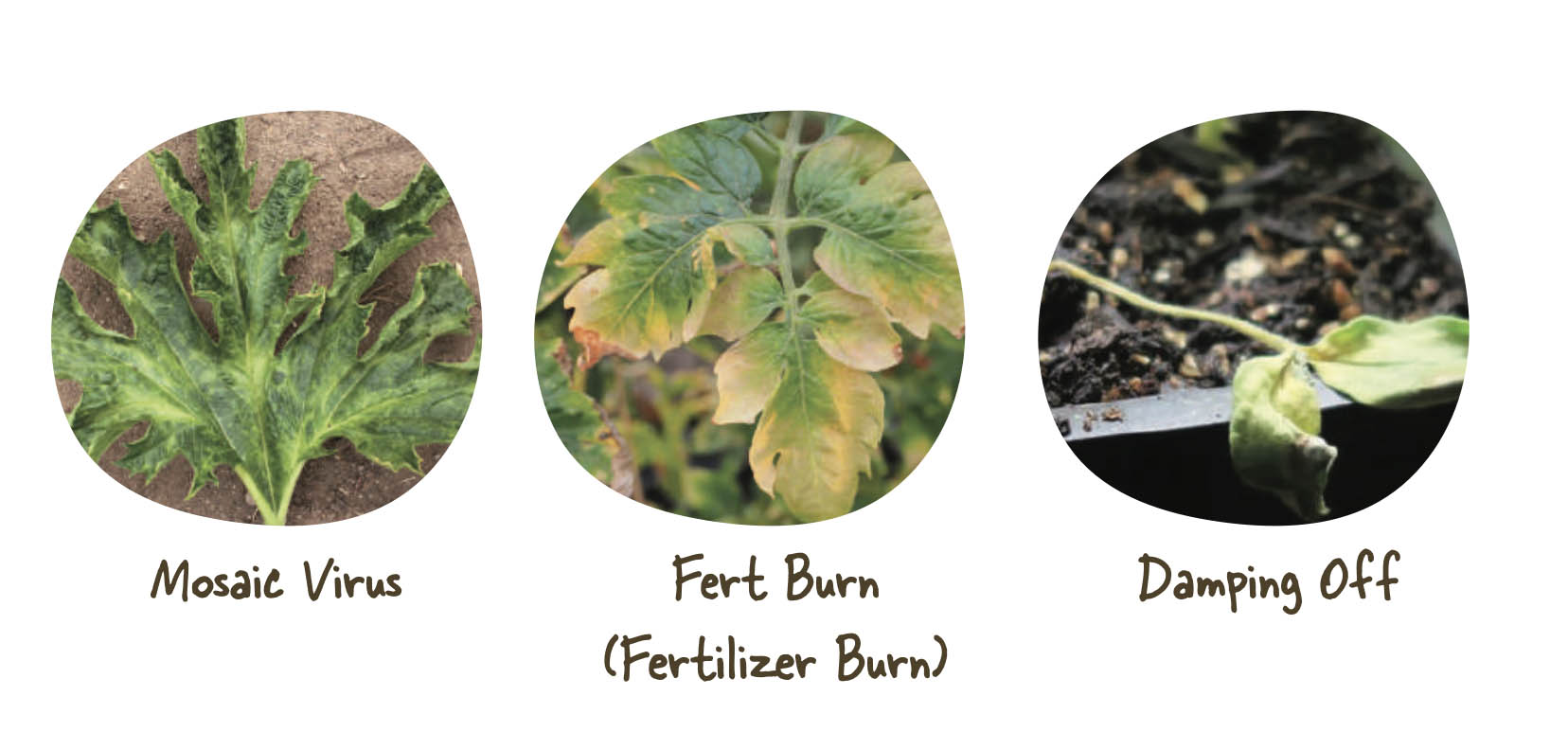
Damping off (fungal disease)
Solution: Avoid over-watering and use only sterile planting mix.
Soil too wet so roots/stems rotting or can’t access oxygen
Solution: Let soil dry out.
Fertilizer burn
Solution: Ensure proper amounts of fertilizer used and follow fertilizer directions. If too much fertilizer has been added, you may need to dilute the amount of fertilizer by removing some soil/fertilizer mix and adding soil only.
My plants are wilting
Possible Causes:
Lack of moisture in soil
Solution: Water deeply, thoroughly. If using automatic watering containers, ensure that the water reservoir under planting containers are full. If soil if too dry, you may need to water from the top again to re-activate the wicking property of the soil.
Soil is too wet or waterlogged, lack of water drainage
Solution: Let soil dry out. Do not water and use an oscillating fan. Improve drainage on your containers.
Root Rot (fungal disease)
Solution: Ensure that you are using fresh soil in containers. Do not overwater.
Vascular wilt (fungal disease affecting tomatoes, peppers, eggplant and potatoes)
Solution: These are soil borne diseases which are less common indoors (unless carried in from outdoor soil/plants). Eliminate affected plants and the soil they are planted in. Ensure that fresh soil is used in planting containers.
Insect Infestation
Solution:
Check your plants for signs of pests. Make sure to look underneath the leaves. Give the plant a shake and see if you notice any bugs. If you do - look in the section for Top Controls for Garden Pests - add link to this section when written.
My plant's leaves are pale yellow and plant growth is stunted
Possible Causes:
Insufficient light
Solution: Ensure plants are placed under the grow lights, or are receiving full sun for at least 12 hours a day.
Temperatures are low
Solutions: Ensure that plants are not receiving a draft. If placed near the window, you can insulate the window with a few sheets of newspaper, or move the garden away from the window.
Nutrient deficiency
Solution: Yellowing leaves can be a sign of nutrient deficiency. Check to ensure you have applied the correct rate of fertilizer. If in doubt, try adding vermi-compost.
Too much water
Solution: Reduce watering until soil dries.
Insects or disease
Solution: Check your plants for signs of pests. Make sure to look underneath the leaves. Give the plant a shake a see if you see any bugs. If you do - look in the section for Top Controls for Garden Pests add link when written.
Leaves are mottled yellow and green, mosaic pattern
Possible Cause:
Viral disease
Solution: Remove and destroy infected plants. Remove plant debris.
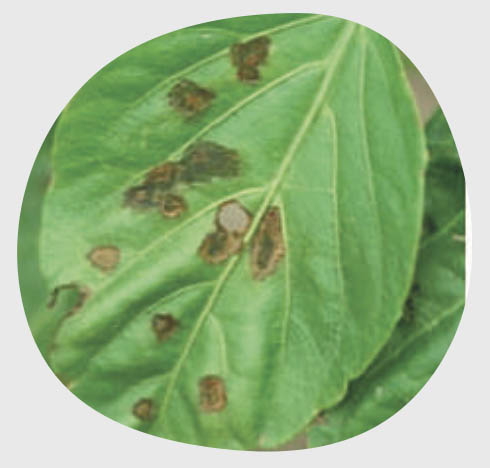
There are brown spots on my leaves
Possible Causes:
Fertilizer burn
Solution: Ensure that proper fertilizer rates are always used. Fixing over-fertilization is possible, but can take time for plants to restore their health. You will want to ‘leach’ the fertilizer from the soil. For container grown plants, use room temperature distilled water and fill the container to the top edge. Allow all the water to drain from the plant. Large containers will take quite a while to drain so have patience. Repeat this at least 4 times. Excess fertilizers will be washed from the soil and drain into the bottom of the container. Discard this excess water from the bottom reservoir.
Poor watering habits
Solution: Shallow top-watering plants can cause brown tips on the leaves.
Bacterial or Fungal Leaf Spot
Solution: Brown spots on leaves can be a symptom of Leaf Spot. Leaf Spot is most active when there is plenty of moisture and warm temperatures. Infected plants have brown or black water-soaked spots on the foliage, sometimes with a yellow halo, usually uniform in size. The spots enlarge and will run together under wet conditions. Under dry conditions the spots have a speckled appearance. As spots become more numerous, entire leaves may yellow, wither and drop. Increasing air circulation, removing infected leaves, and keeping leaves dry when watering can help correct this. You will want to discard any affected plant materials.
My plants are flowering but no fruit appears
Possible Causes:
Lack of pollination
Solution: If you are seeing no fruit after setting flowers, ensure that your plants are pollinating.
Temperatures are too low
Solution: Ensure that the plants are not receiving a draft. If placed near the window, you can insulate the window with a few sheets of newspaper, or move the garden away from the window.
Plants are not mature enough
Solution: Sometimes it takes more time than you think for fruit to appear once you see the first flowers. Check the “Days to Maturity” on your seed packet. Has enough time passed? You may have to just wait.
Plants too close to metal halide lights
Solution: If you are using Metal Halide light (with a cooling tube and ducting), ensure that your plants aren’t too close to the light, as the heat can cause problems with pollination. Try the “back of hand” test as a general rule. Hold your hand just above your plants and hold there for 30 seconds. If your hand gets too hot for comfort, the light will be too hot and you want the light higher. If your hand could be closer without discomfort, you can bring the light closer. You want your hand to get hot, but not unbearably so.
My seedlings have white fuzz on them
This is a common issue for many people who start their plants from seed. The good news is that this white fuzz is harmless to your plants and people; however, it is probably an indication that your soil is too wet. Soil that is too wet will eventually hurt seedlings. Once you restore the conditions, the fuzz will disappear, or you can simply remove it by scraping it with a knife or spoon.
Possible causes:
Too much water
Solution: Refrain from watering until the soil in your seedlings has dried. Try to water seedlings from the bottom of the seedling container, not on top of the soil. This not only encourages the roots to grow deeper, it also helps alleviate mold and fungus because the surface of the soil is not constantly moist, so it cannot grow.
Not enough light
Solution: Ensure seedlings are placed in direct light and receive 12 hours of light each day.
Not enough airflow
Solution: Increase the airflow around your seedlings. You can do this by having a fan running nearby for at least a few hours a day. Not only does this help prohibit fungal growth, but it also results in sturdier seedlings.
Some of my leaves are curling up at the sides
Presuming you haven’t been using any herbicides near your plants and your plants appear otherwise healthy, leaf roll on tomato plants is quite normal. It tends to be more frequent on lower or outer leaves. Just ignore it. If your plants exhibit other symptoms of problem, there are some pests and diseases that will also roll the leaves but, more often than not, it isn’t caused by disease in indoor gardens
There is crusty white building on the soil surface
Possible cause:
Build-up of fertilizer salts
Solution: A white build-up of fertilizer salts may form on the soil surface when pots are watered thoroughly. While this is generally harmless, you can simply loosen the soil with a spade or fork and water thoroughly to flush the salts.
The leaves on my plant are falling off
Any stress, such as lack of water, over-watering, temperature change, reduction of light or relocating of a plant can result in leaf and/or flower drop. It is a very common initial reaction to a stress placed on the plant, which makes this symptom on its own difficult to diagnose the cause. If the cause is not drought or over-watering, the plant may slowly adapt to the new location. Leaf drop is often a certainty when plants are brought indoors after being summered outdoors. Less light, lower humidity and hot air from indoor heating will result in leaf and/or flower drop.
Possible causes:
Improper watering
Solution: Check your plants to see if they are too dry or too wet. Adjust your watering accordingly.
Fluctuations in temperature
Solution: Sharp drops in temperature or temperatures that are too hot can cause plants to drop their leaves.
Pest issues
Solution: Pests can also cause plants to drop their leaves, so inspect plants regularly. Use sticky traps as a first warning sign for pests!
Too little or too much light
Solution: Too little light can result in leaf drop, in the same way too much light can cause this in houseplants. Ensure your plant is placed under the right intensity.
Humidity
Solution: Sometimes conditions that are too dry can cause leaf drop. You may want to place plants close together to conserve humidity or use a humidifier.
Part of my leaf has turned white or has a paper-like, thin, grey-ish mark on it
Possible Cause:
Sunscald
Solution: Plant leaves turning white is often the first, and sometimes the only sign of leaf sunscald in plants. You can think of this problem as plant sunburn damage and you won’t be far off from the truth. Be sure to ensure lights are kept far enough from plants, and be careful not to shock plants.
My lettuce is very bitter
Possible Causes:
Heat
Solution: Lettuce is considered a cool season vegetable. When temperatures are too hot in the garden, lettuce begins to mature and a bitter taste results. This is a natural process and is the most common reason for bittnerness of lettuce plants.
Too dry
Solution: Lettuce leaves need lots of water to remain full and sweet. Water regularly and water well. Don’t let your soil become bone dry. You can try mulching the soil to keep roots cool.
Too much nitrogen
Solution: Studies have shown that bitter lettuce can be the result of too much nitrogen. Lettuce needs proper nutrients, but ensure you don’t overdo it.
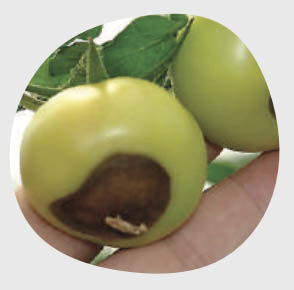
My tomatoes have a dark, rotting spot on the bottom
Possible Cause
Blossom End Rot (calcium imbalance)
Solution: A black, water-soaked spot at the blossom end of tomato fruits is the classic symptom of blossom-end rot. This is a physiological disorder caused by a calcium imbalance within the plant. Several factors can limit a plant's ability to absorb enough calcium for proper development. These include: fluctuations in soil moisture (too wet or too dry), an excess of nitrogen in the soil, root damage soil, cold soil and soil high in salts. The good news is usually you can just remove the infected tomatoes and the condition will recover on the next round of fruit!
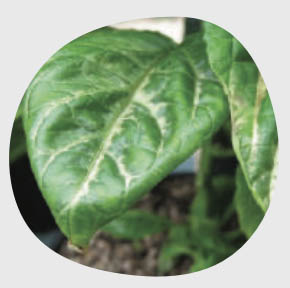
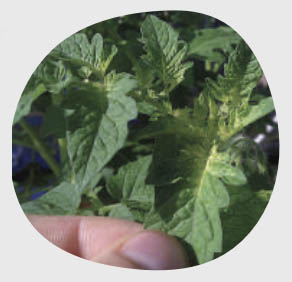
My leaves are turning yellow, but the veins remain green
Yellowing of the leaves is known as chlorosis, which is decreased chlorophyll production in the plants.
Possible causes:
Iron Deficiency
Solution: The key identifier of an iron deficiency is that the issue will show on new or newest growth only and the deep green veins will be present. In a nitrogen deficiency, usually your entire leave will turn yellow. Ensure that you have applied the correct rates of fertilizer to your garden.
Over-watering
Solution: Leaves will usually look yellow and wilted if your plants are suffering from poor soil drainage. This results in your roots drowning.
Spider-mite or other pest issue
Solution: Pests can also cause plant leaves to yellow. Inspect your plants for any signs of pests. Remove any infected parts immediately. Use sticky traps or soap spray to treat.
Thanks to Little Green Thumbs for providing the information and images on this page.