

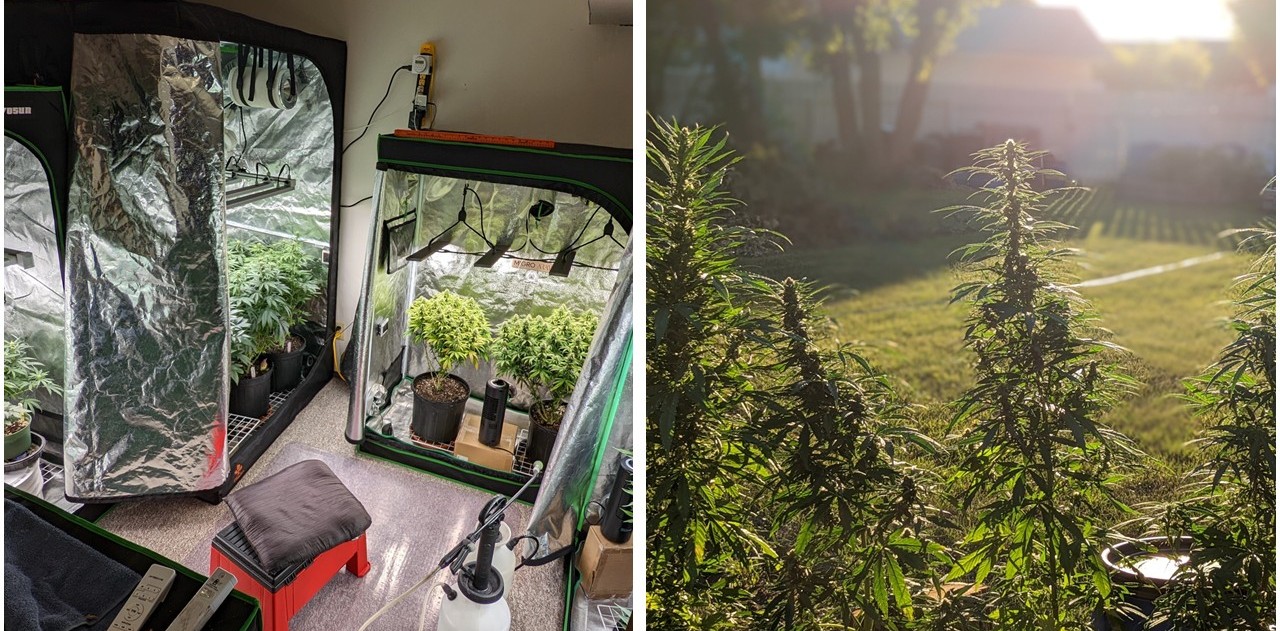
Indoor vs. Outdoor Growing
Both environments come with pros and cons, with some key differences.
By Chase BoucherSo, will you be growing indoors or outdoors? This will ultimately depend on your goals, your available space and resources, and the amount of work and effort you want to put in. Both come with advantages and disadvantages, and both can produce excellent quality cannabis.
Outdoors
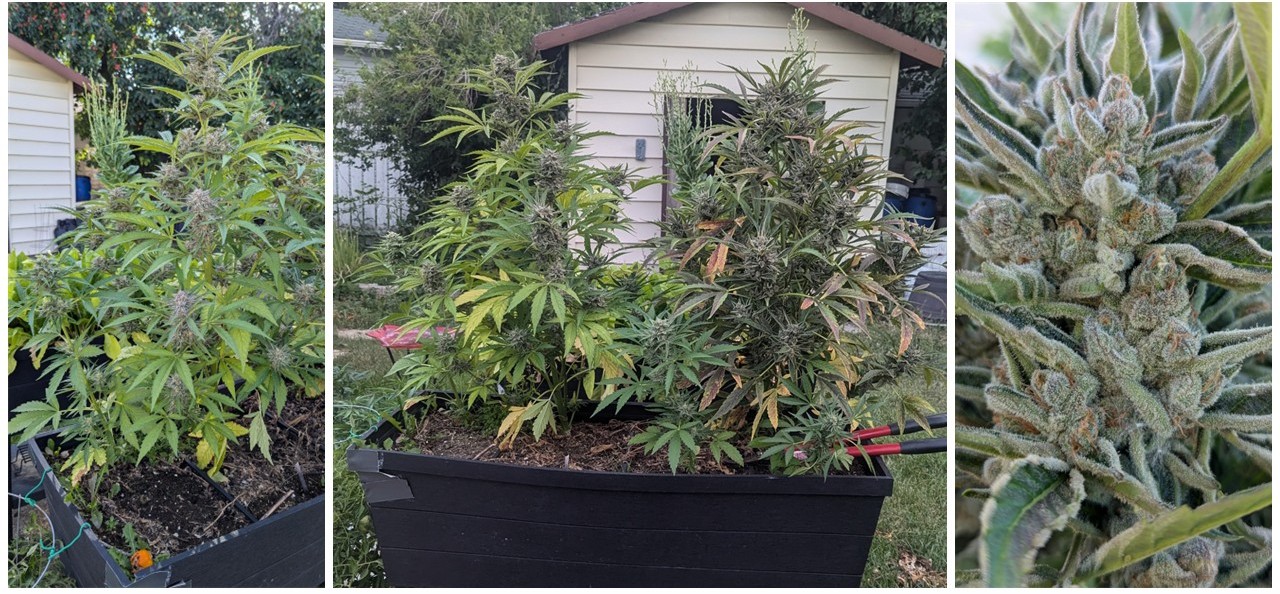
Growing cannabis outdoors means outside of your house or other building, using natural sunlight. The plants could be planted in containers or directly in the ground. It could be in a semi enclosed greenhouse, or right out in your garden. Wherever you choose, there are some key considerations to keep in mind.
Pros
- Inexpensive – In general, much cheaper to maintain than indoor growing, especially when planted directly in the soil and irrigated with rainwater. No electricity needed!
- Familiarity – gardening is already a large part of many people’s lives, and growing cannabis is very similar to growing other types of garden-based horticultural crops (e.g. tomatoes).
- Quality(?) – some people claim sun-grown cannabis allows for the highest quality possible. This may be subjective and is likely specific to the plant and its interaction with the local environment. In the author’s experience this has not been the case but more data is needed!
- Low maintenance – once established, cannabis is a very easy plant to take care of. Pruning is less important, and with regular rains, can greatly reduce the amount of labour required.
Cons
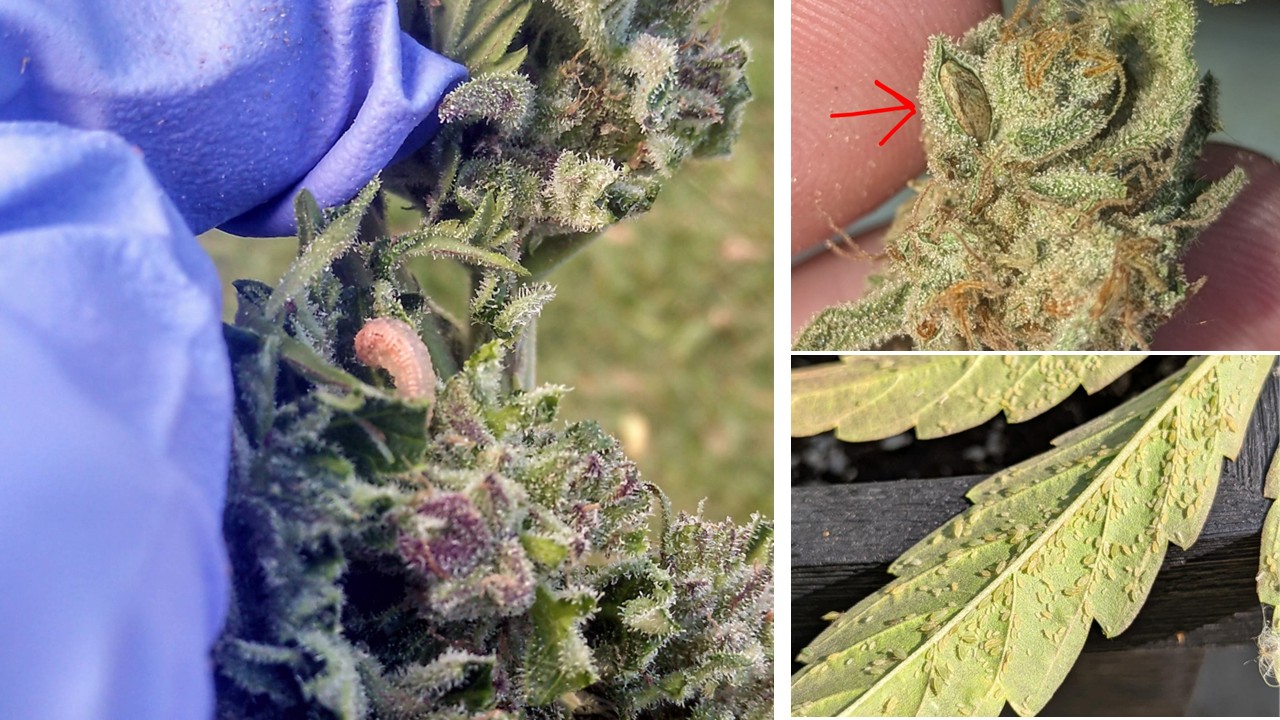
- Control - Little to no control over the environment (weather, pests). You are at the mercy of Mother Nature and so more susceptible to degradation and loss and can only grow as long as the season allows (May – September).
- Quality (?) – In the author’s experience, outdoor grown cannabis is often of poorer quality compared to indoor grown. It is usually subjected to higher amounts of stress over its lifespan and as such, has a higher likelihood of degradation. Some regions in Canada and around the world produce outstanding quality outdoor grown cannabis. This is likely both cultivar and region dependent as some types of cannabis are more suited to outdoor growing in specific environments.
- Inadvertent Pollination – since there is no way to filter the air around your garden, any hemp pollen floating around that contacts your plants has a high likelihood of fertilizing and creating seeds. The hemp fields growing around the province release large amounts of pollen that is compatible with any type of Cannabis sativa plant and that pollen can travel many kilometers, especially in a flat windy area like Saskatchewan. Due to this issue, it is often difficult to grow cannabis outdoors without it producing seeds. Seeds reduce the overall weight and quality of the end product and are usually avoided when possible.
- Security - While humans can sometimes be an issue, some animals (such as deer) also enjoy munching on cannabis plants. It is always a terrible feeling to put in all that work and effort to have someone, or something ruin it in one fell swoop. If security is a potential issue for you, ensure you take the necessary precautions to avoid any issues, or perhaps think about growing indoors instead.
Indoors
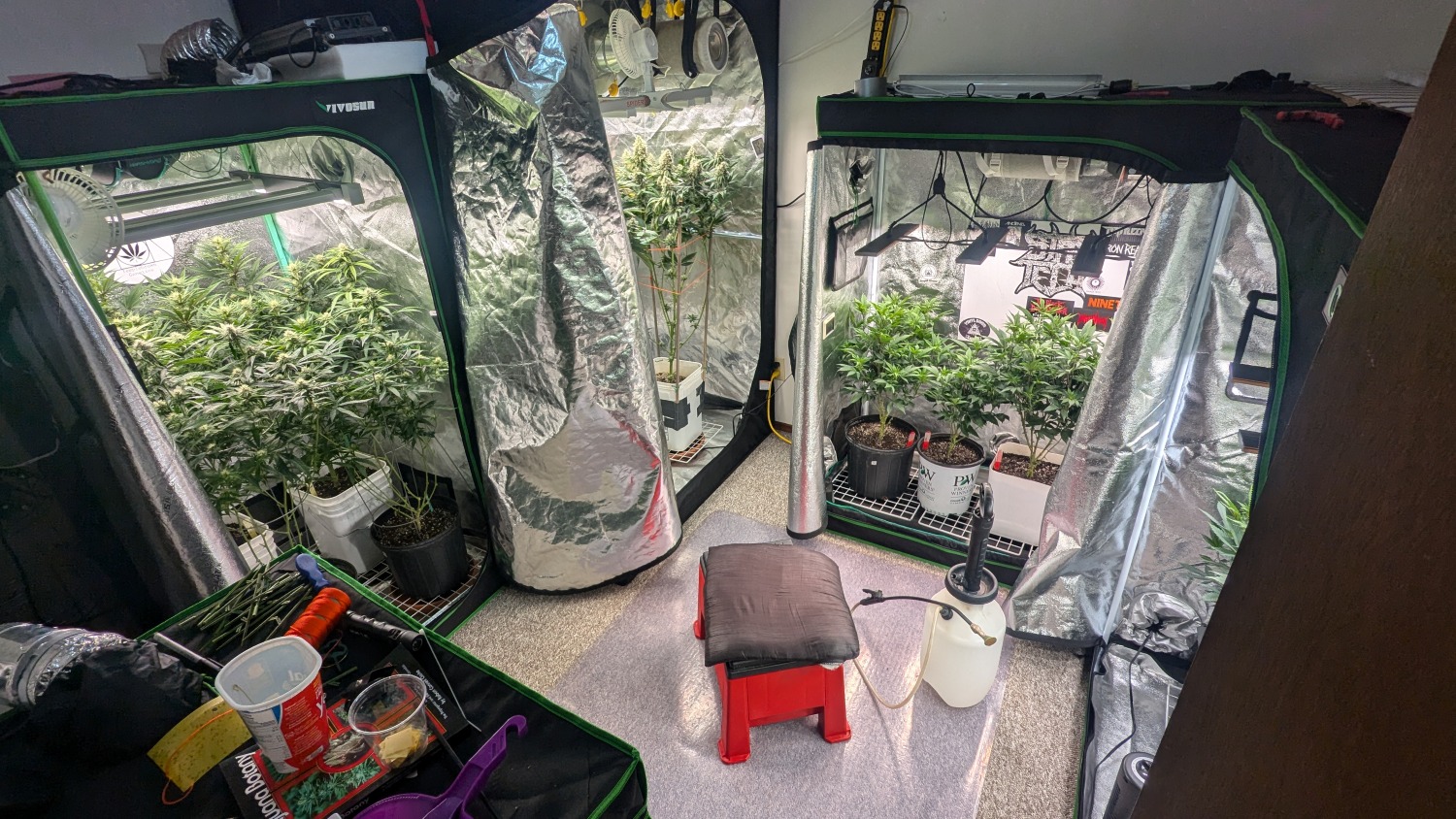
Growing indoors will require a dedicated space for your plants, most likely using a grow tent. Other equipment such as a light, fans, timers, soil or other media, nutrients, etc., will also be needed.
Pros
- Control - Complete control of the environment. You control every aspect of the grow, removing all environmental uncertainty.
- Grow Year Round – if desired, you can keep your tent running all year and grow regardless of the season. In the author’s experience, it is a great way to brighten up our dark, cold Saskatchewan winters.
- Quality – less stress and more control generally translate to a higher quality product, though this can be variable.
- Flexibility – other plants can also be grown alongside cannabis in the tent. Growing herbs like basil or oregano or some tomatoes or peppers is a great way to utilize extra space and cultivate some high-quality culinary ingredients as well!
Cons
- Increased costs – purchasing equipment and using electricity to power the grow will cost more than growing outdoors under the sun. This can be heavily offset and eventually pays itself off if you consider the money saved in no longer having to purchase cannabis from a store.
- More invasive – fans can be loud, tents take up room, plants can be smelly and require constant care, light/dark schedules must be considered and maintained, etc. Planning is important and growing indoors is often more involved than growing outside.