

Natural Fertilizers - Other Amendments
These materials aren't usually considered fertilizers per se, but they are extremely valuable in enhancing soil health and providing your plants with a richer and more robust growing experience.
Overview
Natural fertilizers and amendments come from many sources and thus are quite variable. Some come with potential ethical and or environmental issues and so due diligence is always important when choosing a product that will both address your issues and comply with your values. Needs should be based on a comprehensive, accurate soil test. This can save time, money, and frustration in the future. Many products are blends of these and other ingredients that may or may not me defined as organic. Always read the labels!
The materials listed below don’t necessarily fit the description for fertilizer proper. Rather, these are soil amendments, and their main role is to encourage and enhance soil health and microbial habitats to foster a more robust and self-sustaining environment. They may or may not contain plant available nutrients and can vary widely depending on the inputs used to create them.
Compost/Compost Tea/Compost Extract
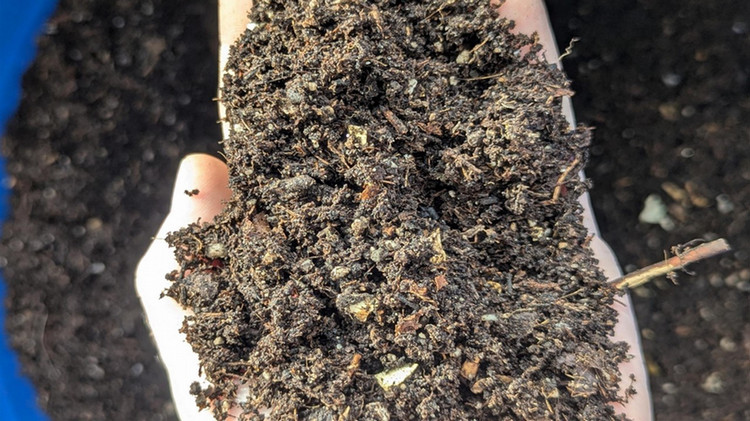
- Derived from the aerobic decomposition of organic matter. Can be industrially produced or from individual backyard compost setups.
- Nutrient levels highly variable and dependent on inputs.
- Excellent for improving soil structure, water retention, drainage, and adding organic matter.
- Provides ideal habitat for beneficial soil microbes.
- Liquid-based teas and extracts can be used to infuse and fortify soil with beneficial microbes. Can also be applied to the leaves and foliage. Plant probiotics!
- Can be very inexpensive to produce (even free!) and is one of the best soil amendments you can use. To learn how to make your own compost, see our article here!
Worm Castings/Vermicompost (worm poop)
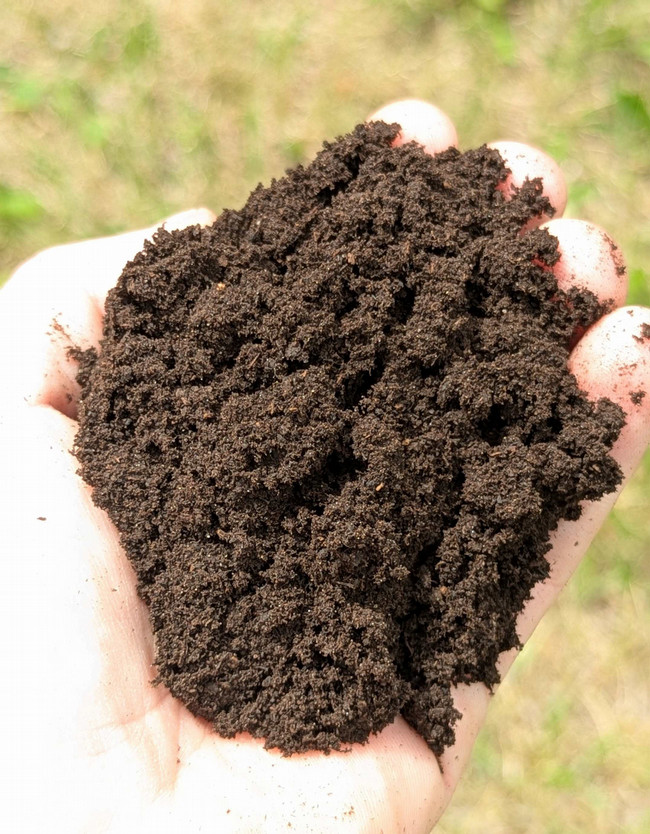
- Derived from the digestion and excretion of waste from a few special species of worms (worm poop!)
- Highly variable nutrient content depending on diet of worms – often has balanced amounts of NPK and a large suite of micro and trace elements.
- High in organic matter and excellent for adding beneficial microbes into soils.
- Can also be used to make teas or extracts.
- Relatively easy to find in stores and can also be made in home vermicomposting setups. Check out our guide and try making some yourself!
Biochar
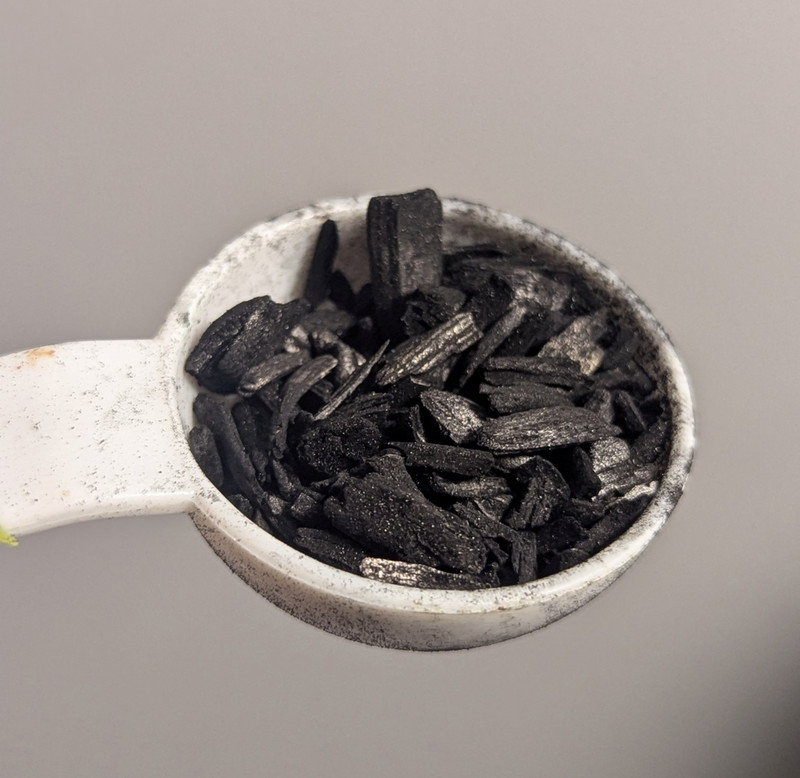
- Derived from pyrolysis of various organic inputs. Pyrolosis is a process that heats materials to very high temperatures in an oxygen-less environment. Without oxygen to ‘burn’, the result is a black, carbon-rich, charcoal-like material.
- Does not contain nutrients but provides an ideal habitat for beneficial microbes that can enhance nutrient-uptake capacity.
- Has been shown to contribute to increased yields in crops like tomatoes and peppers.
- May also increase beneficial bacteria populations, reduce fertilizer inputs, and reduce nutrient loss from soils.
- Can have variable properties depending on what was used for feedstock. Results are promising but more research is needed!
Organic Mulch
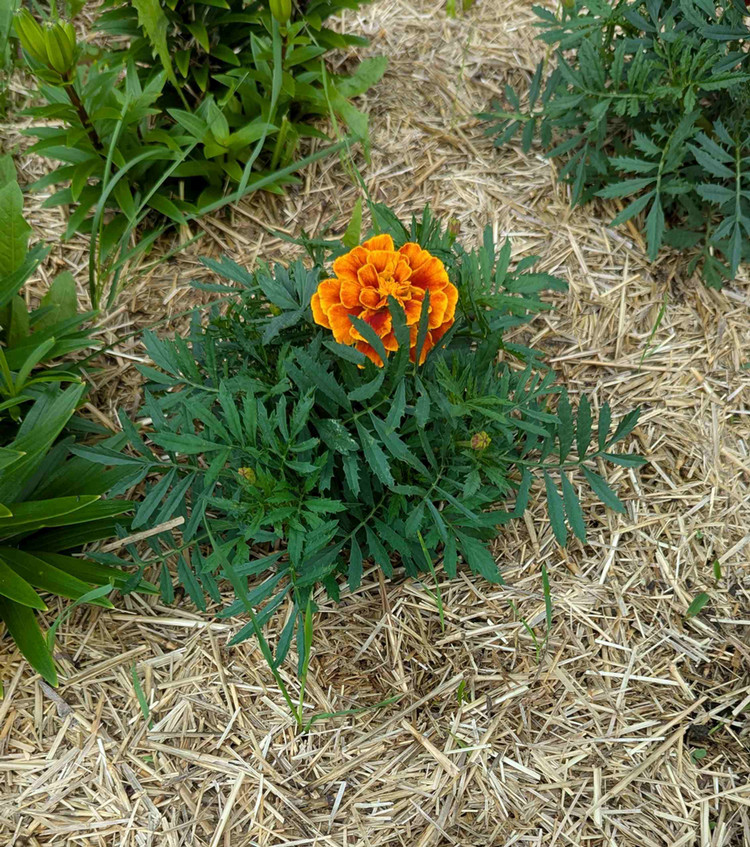
- Derived from various types of material: wood chips, leaves, dried grass, and straw are common examples. Well rotted compost or manure can also be used.
- May or may not contain nutrients; its primary purposes are for moisture retention, erosion resistance, weed reduction, habitat for soil organisms, and to improve soil characteristics.
- Will release nutrients slowly as the organic matter breaks down – can take a long time.
- Excellent when used in conjunction with other organic fertilizers and amendments.
- Check out this article to learn more about the many benefits of using mulch.
________________________________________________________________________________________________________
Table 1. List of organic fertilizers and amendments with typical nutrient content and nutrient availability. Information adapted from product labels, Teaming With Nutrients (Lowenfels, 2013), and Whalen et al. (2020).
|
Fertilizer Type |
Nitrogen (N)% |
Phosphorus (P) % |
Potassium (K) % |
Trace Elements |
Nutrient Availability* |
|
Animal-Derived |
|
||||
|
Blood Meal |
12 |
0 |
0 |
+ |
Fast |
|
Bone Meal |
2-4 |
10-15 |
0 |
+ |
Medium |
|
Fish Bone Meal |
4 |
13 |
0 |
++ |
Medium - Fast |
|
Fish Emulsion |
5 |
2 |
2 |
+++ |
Fast |
|
Fish Hydrolysate |
2-4 |
2-4 |
0.5-2 |
+++ |
Medium - Fast |
|
Insect Frass (Cricket, Mealworm, Black Soldier Fly) |
3-7 |
2-3 |
2 |
+++ |
Fast |
|
Feather Meal |
7-12 |
0 |
0 |
+ |
Medium - Slow |
|
Crab/Shrimp Meals |
2-5 |
3-8 |
0-15 |
++ |
Medium - Slow |
|
Cattle Manure |
0-1 |
0-1 |
0-1 |
++ |
Medium |
|
Chicken Manure |
5 |
3 |
2 |
++ |
Medium - Fast |
|
Rabbit Manure |
0-1 |
0-1 |
0-1 |
++ |
Medium |
|
Wool Pellets |
10 |
0 |
2 |
+ |
Medium - Slow |
|
Bat Guano |
3-10 |
3-10 |
1 |
++ |
Fast |
|
Plant Derived |
|
||||
|
Alfalfa Meal |
3 |
0-1 |
2-3 |
+++ |
Medium - Fast |
|
Kelp/Seaweed (Liquid) |
0 |
0 |
3 |
+++ |
Fast |
|
Kelp/Seaweed (Powder) |
0 |
0 |
17 |
+++ |
Fast |
|
Other plant meals (corn, soy, cotton) |
7 |
2 |
1 |
+ |
Medium |
|
Wood Ash |
0 |
1 |
3 |
++ |
Medium - Fast |
|
Mined Product |
|
||||
|
Garden lime (CaCO3) |
0 |
0 |
0 |
+ |
Slow |
|
Dolomitic Lime (MgCaCO3) |
0 |
0 |
0 |
+ |
Slow |
|
Gypsum (CaSO4) |
0 |
0 |
0 |
+ |
Medium - Slow |
|
Rock Phosphate (Soft/Colloidal) |
0 |
2.5 - 13 |
0-1 |
+ |
Slow |
|
Rock Dusts (Basalt, glacial) |
0 |
0 |
0-1 |
++ |
Slow |
|
Wollastonite (CaSiO3) |
0 |
0 |
0 |
+ |
Slow |
|
Sulfate of Potash** |
0 |
0 |
50 |
N/A |
Medium |
|
Epsom Salts (MgSO4)** |
0 |
0 |
0 |
N/A |
Fast |
|
Azomite |
0 |
0 |
0 |
+++ |
Slow |
|
Diatomaceous Earth |
0 |
0 |
0 |
++ |
Slow |
|
Greensand/Zeolite |
0 |
0 |
0 |
++ |
Slow |
|
Other Amendments |
|
||||
|
Compost |
Variable |
Variable |
Variable |
Variable |
Medium - Slow |
|
Compost Teas |
Variable |
Variable |
Variable |
Variable |
Medium - Fast |
|
Worm Castings |
Variable |
Variable |
Variable |
+++ |
Medium - Fast |
|
Perlite |
0 |
0 |
0 |
N/A |
N/A |
|
Vermiculite |
0 |
0 |
0 |
+ |
N/A |
|
Biochar |
0 |
0 |
0 |
+ |
N/A |
|
Mulch |
0 |
0 |
0 |
+ |
N/A |
*Nutrient availability greatly depends on surface area of the fertilizer. In general, the finer the texture of the material, the more accessible it is likely to be. Availability is also highly dependent on local soil conditions and microbial activity.
** Mainly produced synthetically but some mines exist.
References
Agriculture and Agri-Food Canada. (2022). Biochar can turn plant waste into healthy soils and improve the environment. Government of Canada. https://agriculture.canada.ca/en/science/story-agricultural-science/scientific-achievements-agriculture/biochar-can-turn-plant-waste-healthy-soils-and-improve-environment
Lowenfels, J. (2013). Teaming With Nutrients: The Organic Gardener’s Guide to Optimizing Plant Nutrition. Timber Press.
Williams, S., & Bors, B. (2017). Growing fruit in northern gardens. Coteau Books.
Whalen, J. K., Ziadi, N., Schoenau, J. J., Paré, M. C., Burton, D. L., & Bruulsema, T. (2020). Soil nutrient cycling. Digging into Canadian soils: An introduction to soil science. SaskOER. https://www.saskoer.ca/soilscience/chapter/soil-nutrient-cycling/