

Natural Fertilizers - Plant Based
Plant-based fertilizers are a great way to both feed your plants and increase the organic carbon in your soils. Often by-products of other industries, they can be a good option to help your plants grow and thrive while also reducing the environmental impacts of fertilizer production and use.
Overview
Natural fertilizers and amendments come from many sources and thus are quite variable. Some come with potential ethical and or environmental issues and so due diligence is always important when choosing a product that will both address your issues and comply with your values. Needs should be based on a comprehensive, accurate soil test. This can save time, money, and frustration in the future. Many products are blends of these and other ingredients that may or may not me defined as organic. Always read the labels!
Here is some basic information about some commonly available plant-derived fertilizers. See the table at the end of this article for details on nutrient composition and availability.
Alfalfa Meal
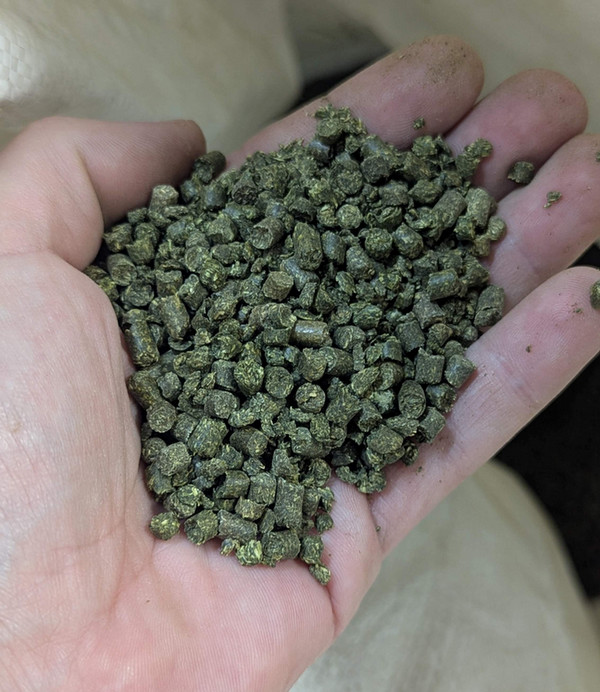
- Made from the alfalfa. Plants are harvested, dried, and pelletized for easy distribution.
- Contains good amounts of N-P-K, as well as has a large suite of trace elements and a high proportion of organic matter.
- Naturally contains a plant growth stimulant called triacontanol, which has been shown to improve plant growth, vigour, and yields.
- Availability depends on local industry. Here in Saskatchewan, we have ample access to high quality, locally grown alfalfa meal (lucky us!).
Seaweed/Kelp-based Products
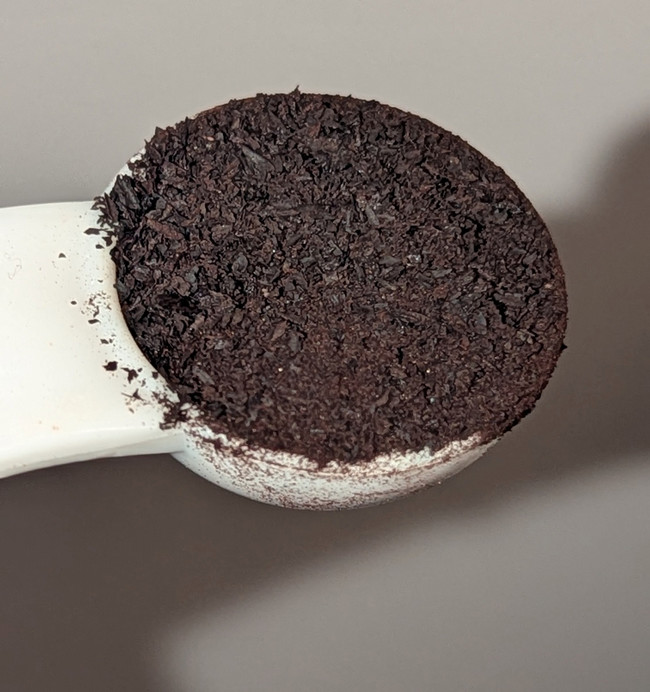
- Made from dried and ground seaweed and kelp. The two species commonly used are Ascophyllum nodosum and Macrocystis integrifolia.
- Contain nutrients in varying levels depending on source and species, most notably potassium (K) and a large amount of trace elements. Are immediately available to the plant.
- Also contain plant growth hormones that can be beneficial to plant growth and development.
- Care must be taken to ensure that the product has been sustainably harvested.
Wood Ash
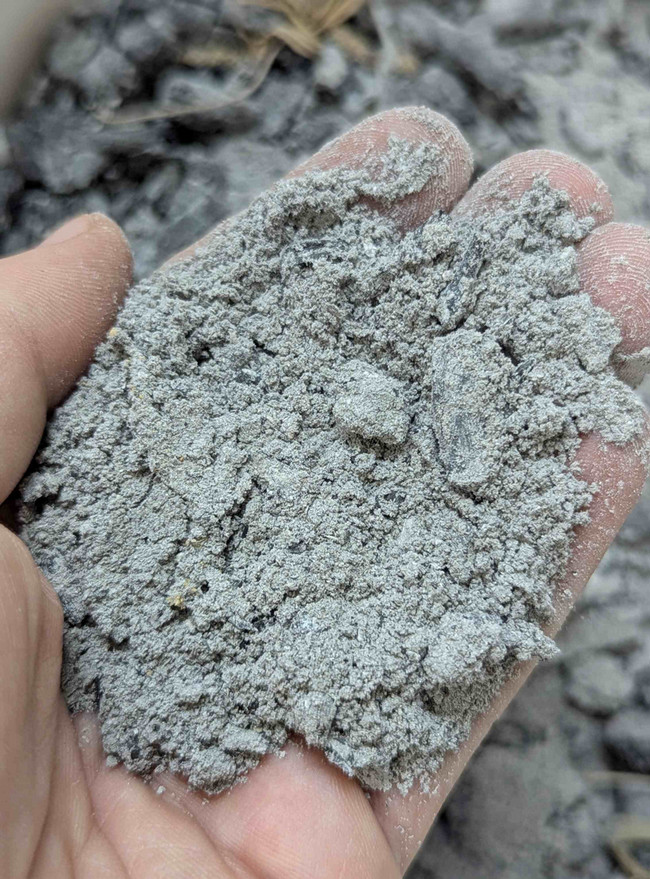
- Source of potassium, some phosphorus and trace elements, depending on type of wood burned. Has been used since the olden days. The term “potash” is derived from the method of processing wood ash.
- Very alkaline (high pH) so should be used sparingly in soils with elevated pH. Saskatchewan soils south of the Boreal Forest tend to be neutral to slightly alkaline in pH.
- Free for those with a fireplace or fire pit. Ensure you do not use ash from the burning of treated wood as harmful residues may remain.
Other plant meals (corn, soybean, cottonseed)
- Varying levels of N-P-K depending on source. Some are complete, some are not
- Contain high levels of organic matter.
- Often difficult to source unless local industry exists.
- Can contain pesticide residues, harm young seedlings (corn gluten meal), and can contain genetically modified organisms (GMOs). Know your source!
_______________________________________________________________________________________________________
Table 1. List of organic fertilizers and amendments with typical nutrient content and nutrient availability. Information adapted from product labels, Teaming With Nutrients (Lowenfels, 2013), and Whalen et al. (2020).
|
Fertilizer Type |
Nitrogen (N)% |
Phosphorus (P) % |
Potassium (K) % |
Trace Elements |
Nutrient Availability* |
|
Animal-Derived |
|
||||
|
Blood Meal |
12 |
0 |
0 |
+ |
Fast |
|
Bone Meal |
2-4 |
10-15 |
0 |
+ |
Medium |
|
Fish Bone Meal |
4 |
13 |
0 |
++ |
Medium - Fast |
|
Fish Emulsion |
5 |
2 |
2 |
+++ |
Fast |
|
Fish Hydrolysate |
2-4 |
2-4 |
0.5-2 |
+++ |
Medium - Fast |
|
Insect Frass (Cricket, Mealworm, Black Soldier Fly) |
3-7 |
2-3 |
2 |
+++ |
Fast |
|
Feather Meal |
7-12 |
0 |
0 |
+ |
Medium - Slow |
|
Crab/Shrimp Meals |
2-5 |
3-8 |
0-15 |
++ |
Medium - Slow |
|
Cattle Manure |
0-1 |
0-1 |
0-1 |
++ |
Medium |
|
Chicken Manure |
5 |
3 |
2 |
++ |
Medium - Fast |
|
Rabbit Manure |
0-1 |
0-1 |
0-1 |
++ |
Medium |
|
Wool Pellets |
10 |
0 |
2 |
+ |
Medium - Slow |
|
Bat Guano |
3-10 |
3-10 |
1 |
++ |
Fast |
|
Plant Derived |
|
||||
|
Alfalfa Meal |
3 |
0-1 |
2-3 |
+++ |
Medium - Fast |
|
Kelp/Seaweed (Liquid) |
0 |
0 |
3 |
+++ |
Fast |
|
Kelp/Seaweed (Powder) |
0 |
0 |
17 |
+++ |
Fast |
|
Other plant meals (corn, soy, cotton) |
7 |
2 |
1 |
+ |
Medium |
|
Wood Ash |
0 |
1 |
3 |
++ |
Medium - Fast |
|
Mined Product |
|
||||
|
Garden lime (CaCO3) |
0 |
0 |
0 |
+ |
Slow |
|
Dolomitic Lime (MgCaCO3) |
0 |
0 |
0 |
+ |
Slow |
|
Gypsum (CaSO4) |
0 |
0 |
0 |
+ |
Medium - Slow |
|
Rock Phosphate (Soft/Colloidal) |
0 |
2.5 - 13 |
0-1 |
+ |
Slow |
|
Rock Dusts (Basalt, glacial) |
0 |
0 |
0-1 |
++ |
Slow |
|
Wollastonite (CaSiO3) |
0 |
0 |
0 |
+ |
Slow |
|
Sulfate of Potash** |
0 |
0 |
50 |
N/A |
Medium |
|
Epsom Salts (MgSO4)** |
0 |
0 |
0 |
N/A |
Fast |
|
Azomite |
0 |
0 |
0 |
+++ |
Slow |
|
Diatomaceous Earth |
0 |
0 |
0 |
++ |
Slow |
|
Greensand/Zeolite |
0 |
0 |
0 |
++ |
Slow |
|
Other Amendments |
|
||||
|
Compost |
Variable |
Variable |
Variable |
Variable |
Medium - Slow |
|
Compost Teas |
Variable |
Variable |
Variable |
Variable |
Medium - Fast |
|
Worm Castings |
Variable |
Variable |
Variable |
+++ |
Medium - Fast |
|
Perlite |
0 |
0 |
0 |
N/A |
N/A |
|
Vermiculite |
0 |
0 |
0 |
+ |
N/A |
|
Biochar |
0 |
0 |
0 |
+ |
N/A |
|
Mulch |
0 |
0 |
0 |
+ |
N/A |
*Nutrient availability greatly depends on surface area of the fertilizer. In general, the finer the texture of the material, the more accessible it is likely to be. Availability is also highly dependent on local soil conditions and microbial activity.
** Mainly produced synthetically but some mines exist.
References
Albert, S., & Bloem, E. (2025). Antibiotic contamination of fresh organic fertilizers and processed bio-based fertilizer products. Agrosystems, Geosciences & Environment, 8(1). https://doi.org/10.1002/agg2.70059
Beesigamukama, D., Subramanian, S., & Tanga, C. M. (2022). Nutrient quality and maturity status of frass fertilizer from nine edible insects. Scientific Reports, 12(1), 7182. https://doi.org/10.1038/s41598-022-11336-z
Camilli, F., Focacci, M., Prà, A. D., Bortolu, S., Ugolini, F., Vagnoni, E., & Duce, P. (2025). Turning Waste Wool into a Circular Resource: A Review of Eco-Innovative Applications in Agriculture. Agronomy, 15(2), 446. https://doi.org/10.3390/agronomy15020446
Lowenfels, J. (2013). Teaming With Nutrients: The Organic Gardener’s Guide to Optimizing Plant Nutrition. Timber Press.
Marwa, E. M. M., Andrew, T., & Hatibu, A. A. (2021). Challenges facing effective use of bat guano as organic fertilizer in crop production: A review. International Journal of Engineering and Applied Sciences, 8(8), 8–15. https://doi.org/10.31873/IJEAS.8.8.01
Poveda, J. (2021). Insect frass in the development of sustainable agriculture: A review. Agronomy for Sustainable Development, 41(1), 5. https://doi.org/10.1007/s13593-020-00656-x
Sahin, O., Yagcioglu, K. D., Kadioglu, Y. K., Ozturk, H. S., & Gunes, A. (2025). Valorization of sheep wool: Impact of keratin hydrolysate on the growth and mineral nutrition of lettuce, spinach, and radish plants. Journal of Soil Science and Plant Nutrition, 25(2), 2642–2652. https://doi.org/10.1007/s42729-025-02289-z
Whalen, J. K., Ziadi, N., Schoenau, J. J., Paré, M. C., Burton, D. L., & Bruulsema, T. (2020). Soil nutrient cycling. Digging into Canadian soils: An introduction to soil science. SaskOER. https://www.saskoer.ca/soilscience/chapter/soil-nutrient-cycling/